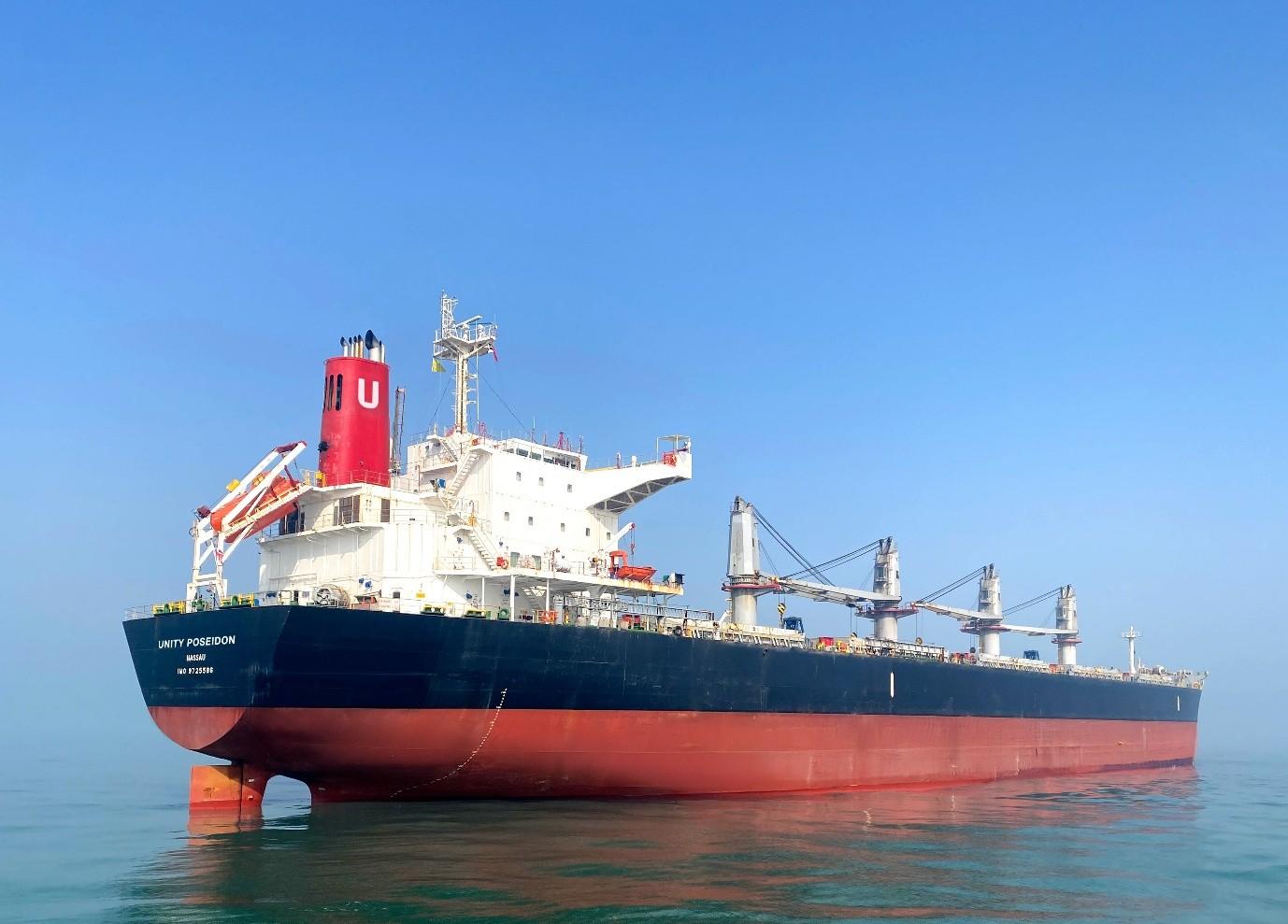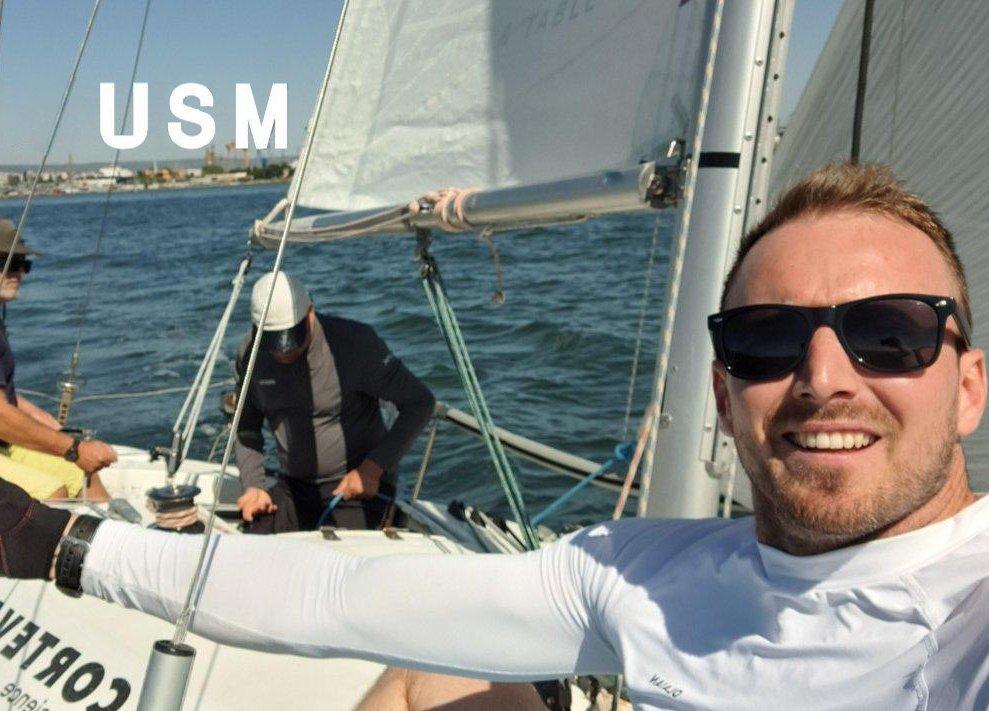
Meet Grigor Kanchev, Head of IT & Communications at Unity Ship Management—a driving force behind the safe, seamless, and innovative connectivity that keeps our fleet running smoothly. With a passion for technology and a deep understanding of life at sea, Grigor has played a pivotal role in bringing cutting-edge solutions like Starlink to our vessels, ensuring both operational excellence and crew wellbeing. In this interview, Grigor shares insights from his unique career journey, the challenges and triumphs of managing IT at sea, and his vision for the future of maritime technology. Get ready to discover the person behind the systems that keep Unity connected—onboard and beyond.
Q: Grigor, let’s start with your journey. How did you choose maritime IT as a career?
Let’s call it a mix of ambition, goals and opportunity. I didn’t specifically plan for a career in Maritime, but I always wanted to work in a technically advanced field with global assets and opportunities for worldwide travel. After graduating from the Naval Academy as Radio electronics and communications engineer, I started my career at Inmarsat, the biggest name in the maritime communications.
Q: As Head of IT & Communications, your role spans technical systems to crew connectivity. What does a typical day look like?
My day always starts with “the papers” – the emails that arrive overnight. I filter urgent issues and set priorities before the first emails leave my outbox around 9 o’clock. From here, the action begins. While I have a plan for the day, it often changes quickly, requiring adaptability to tackle unexpected challenges. After more than 15 years in IT and Communications, I can confidently say there’s no routine – every day brings unique and often strange issues to resolve.
Q: You’ve overseen USM’s Starlink rollout – what makes this a game-changer for maritime?
Starlink is revolutionary in ways that go beyond expectations. First, the speed—200 Mbps compared to traditional VSAT systems, which are more than 100 times slower. This enables very efficient onboard communications and remote support. Things like an overcrowded network, starving for bandwidth, email too big for transfer, phone call issues from lack of good connection are a thing of the past.
Second, it transforms crew welfare who now use 100 times faster internet connection at a 10 times lower cost than before—this was unimaginable before. Video calls and streaming video are now something completely normal. The crew are our biggest asset on board, and we do our best to make sure they have access to the best technology in the world.
Two milestones highlight Starlink’s practicality:
-We managed to transfer a 200 GB file to one of our vessels over Starlink. The transfer took 3 days, but it was successful, and we managed to resolve the issue on board.
– We conducted simultaneous video conference training for more than 100 officers across our fleet—moving vessels connected as seamlessly as if they were at home.
Q: After years in the industry, what are your hopes about modern shipping?
I hope to see more data-driven operations, real-time telemetry and information in general. The most challenging part when solving an issue on board, is to anticipate what the crewmembers will see and how they will react when facing an issue or when they have instructions to follow. Sometimes you are supporting crew on a vessel which you have never set foot on before, halfway across the world and time is a critical factor. We need to see the actual data from various equipment on board to make informed decisions and provide crew with useful instructions. Every system on board is becoming more and more complex to be efficient and this requires better training and understanding. However, as systems become interconnected, cybersecurity threats grow—making this balance between efficiency and security an ongoing challenge worth tackling.
Q: And what keeps you awake at night?
Usually captains!
I design onboard IT and communication systems to be as autonomous and resilient as possible, but surprises happen. When they do, it’s my job to get up and find solutions no matter what time it is—it’s part of the game.
Q: For our crew readers – what’s one hidden tech feature on board they might not know about?
In IT we say: “A reboot fixes 50% of issues.” If you face a problem with a device, reboot it first—you’ll be surprised how often it works!
Q: If you could implement one sci-fi technology across the fleet tomorrow, what would it be and why?
The transporter room from Star Trek!
Imagine being a ship captain and you have an issue with something on board. You just beam the engineer on board with the necessary tools, he fixes the issue, and the vessel keeps sailing. What a future to look forward to!
Q: In a more near future trends – what do you expect for crews at sea?
Starlink is paving the way for high-speed satellite communications and I expect competitors to enter the market in the following year or two bringing even more benefits for crews and operators alike. We are also exploring AI integration into onboard systems for better data analysis and decision-making.
Fast and reliable connection, combined with integrated smart systems will facilitate optimization and automation of most processes on board. The fully autonomous ship is not science fiction anymore, we may witness in our lifetime.
Q: Beyond IT and Communications, what are some of your favorite hobbies or activities?
Sport and outdoors have always been a part of my life since early age. At the age of 5, my father signed me up for tennis and I’ve been playing ever since. During my teens I was a competitive player and even won a couple of national tournaments. While studying at the Naval Academy, I joined the Baltic Tall Ships Regatta aboard Bulgaria’s legendary sailing vessel STV Kaliakra – a four-month adventure I will never forget. Last year, together with friends, I took on another challenge – a week-long bikepacking trip over 700 km on the Danube Ultra bike trail. Sport and adventure is the way for me to clear my mind and return to the daily life with fresh energy and wider perspective.
Recent Real Estate News
A New Chapter. A Stronger Fleet. Welcome, UNITY GRIT